Caribbean Hydrology and Water Systems
Urban water infrastructure, community-built micro-hydroelectric systems, and applied fieldwork across the Dominican Republic's rivers and watersheds


From Urban Aqueducts to Mountain Watersheds
Institutions, Infrastructure, and the Engineers Behind Them
This educational program opens in Santo Domingo with visits to the institutions that manage water for a metro area of more than four million people. Students meet with engineers at CAASD (the city's aqueduct and wastewater authority), tour a blackwater treatment facility, and visit INAPA (the national potable water and sanitation agency) to discuss infrastructure challenges across urban and rural settings. At UNPHU, one of the Dominican Republic's leading universities for environmental and civil engineering, faculty from the School of Engineering lead a guest lecture on hydrology, water resource management, and climate resilience in the Caribbean.
Grassroots Hydrology in the Dominican Highlands
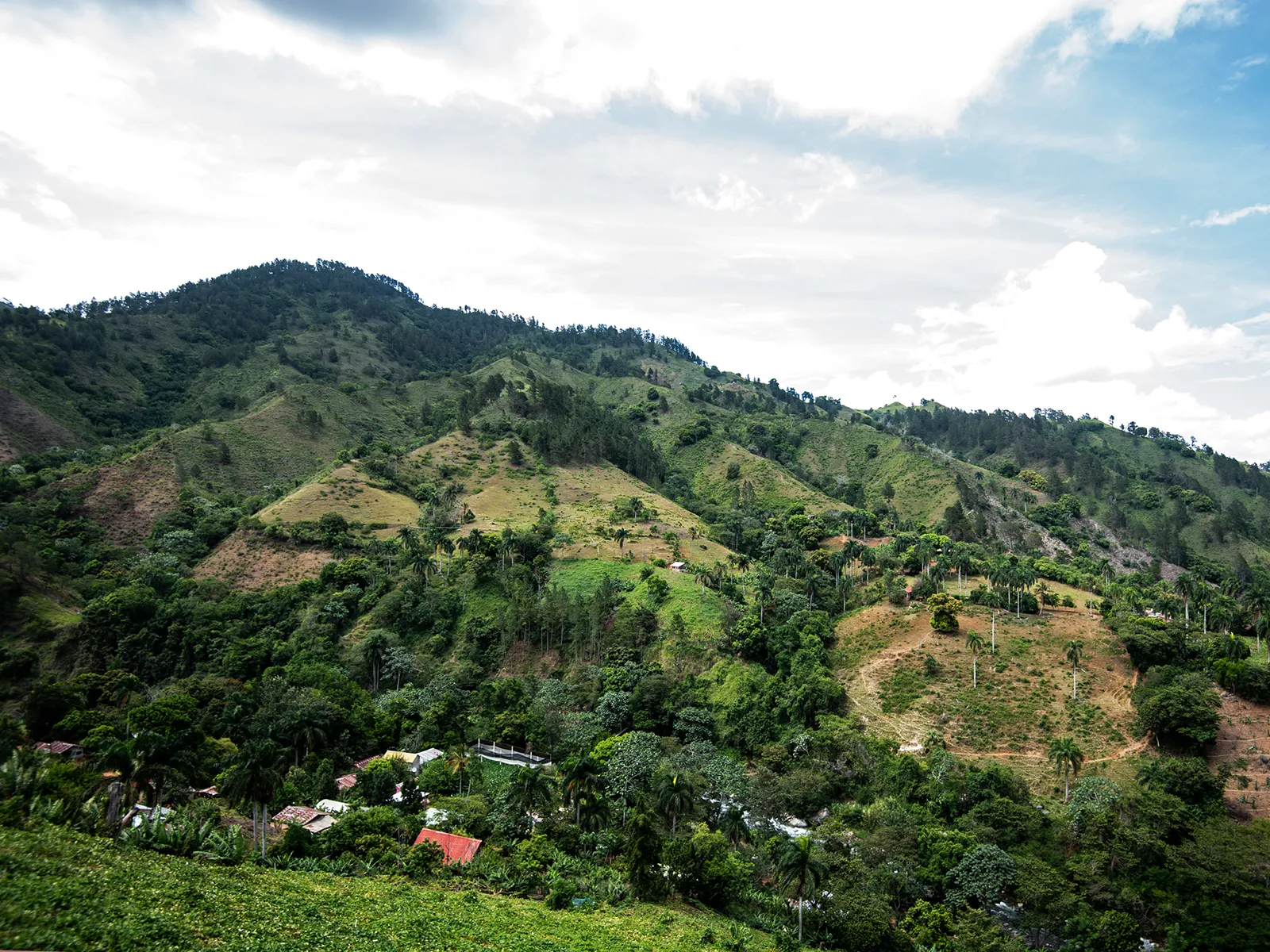
The program then moves to Jarabacoa, a mountain town at the center of the island's freshwater systems. Students spend three days working with Plan Yaque, a local organization dedicated to restoring the Yaque del Norte River Basin — the longest river in the Caribbean. Fieldwork includes water quality sampling, erosion control, and natural blackwater treatment systems. The highlight is a visit to Sonidos del Yaque, a rural community that designed and installed its own micro-hydroelectric generator when the national grid never reached them — a grassroots case study in community-led engineering.
Day-by-day itinerary
Eleven days across the Dominican Republic, from Santo Domingo's urban water infrastructure to fieldwork on Jarabacoa's mountain watersheds. Every element of this itinerary can be adjusted to fit your program's learning objectives.
Day 1: Arrival and Orientation in Santo Domingo
Welcome to the Dominican Republic. Arrive at Las Américas International Airport, meet your Offbeat Travel program leaders, and transfer to your hotel in Santo Domingo. After some downtime, gather for an evening orientation session and welcome dinner. Your program leaders will introduce Dominican history and culture, safety guidelines, and the academic focus on hydrology and water management systems.
Lodging: Aloft Santo Domingo Piantini
Meals: Dinner
Day 2: Santo Domingo's Water Infrastructure
Begin your academic exploration with a visit to CAASD (Corporación del Acueducto y Alcantarillado de Santo Domingo), the institution responsible for the city's aqueducts and wastewater management. Santo Domingo's metro area has over four million inhabitants, and CAASD manages their water system. Meet with engineers and staff to learn about the capital's water supply systems, treatment processes, and the challenges of managing a growing urban population.
In the afternoon, visit the Jardín Botánico Nacional, where a local hydrologist will explain the aquifers that supply much of Santo Domingo's water and the connection between forest ecosystems and urban water sources.
Lodging: Aloft Santo Domingo Piantini
Meals: Breakfast, lunch, dinner
Day 3: Blackwater Treatment and National Water Policy
Spend the morning visiting one of Santo Domingo's blackwater treatment facilities, learning about the country's approach to wastewater collection, sanitation, and resource recovery.
Later, meet with representatives from INAPA (Instituto Nacional de Aguas Potables y Alcantarillados), the national agency overseeing potable water and sanitation systems across the Dominican Republic. Discussions focus on infrastructure challenges in rural versus urban areas, recent innovations, and sustainable water management goals.
Lodging: Aloft Santo Domingo Piantini
Meals: Breakfast, lunch, dinner
Day 4: UNPHU Guest Lecture and Transfer to Jarabacoa
This morning, visit the Universidad Nacional Pedro Henríquez Ureña (UNPHU), one of the Dominican Republic's leading universities in environmental and civil engineering. Attend a guest lecture by faculty from the School of Engineering, focusing on hydrology, water resource management, and climate resilience in the Caribbean.
After lunch, transfer to Jarabacoa, a lush mountain town known for its rivers and waterfalls that play a vital role in the island's freshwater systems. Settle into your accommodations and enjoy a relaxed dinner overlooking the mountains.
Lodging: Rancho Baiguate, Jarabacoa
Meals: Breakfast, lunch, dinner
Day 5: Natural Water Systems With Plan Yaque
Spend the day with Plan Yaque, a local organization dedicated to preserving and restoring the Yaque del Norte River Basin. Through field visits, learn about their work in sustainable land management, erosion control, and natural blackwater treatment systems that serve as models for low-impact wastewater solutions. Meet community leaders and engineers who are collaborating to safeguard water quality in the region.
In the late afternoon, explore the main square of Jarabacoa and take a short hike to the Baiguate waterfall for a swim.
Lodging: Rancho Baiguate, Jarabacoa
Meals: Breakfast, lunch, dinner
Day 6: Applied Hydrology Fieldwork
Continue working alongside Plan Yaque on field-based hydrology projects. Today's focus is on measuring water quality using sampling and testing techniques. Students collect data on pH, turbidity, and other indicators, gaining hands-on insight into the practical challenges of water monitoring in rural environments.
The afternoon includes a reflection session and group discussion on the intersection of engineering, ecology, and community development. In the evening, celebrate your last night in Jarabacoa with a group dinner in town.
Lodging: Rancho Baiguate, Jarabacoa
Meals: Breakfast, lunch, dinner
Day 7: Sonidos del Yaque — Community Micro-Hydroelectric Power
Visit Sonidos del Yaque, a rural community along the Yaque del Norte River that offers a remarkable case study in hydrology and community innovation. Without access to the national grid, residents collaborated to design and install a micro-hydroelectric generator — a small-scale hydraulic system that converts the kinetic energy of flowing river water into electrical power.
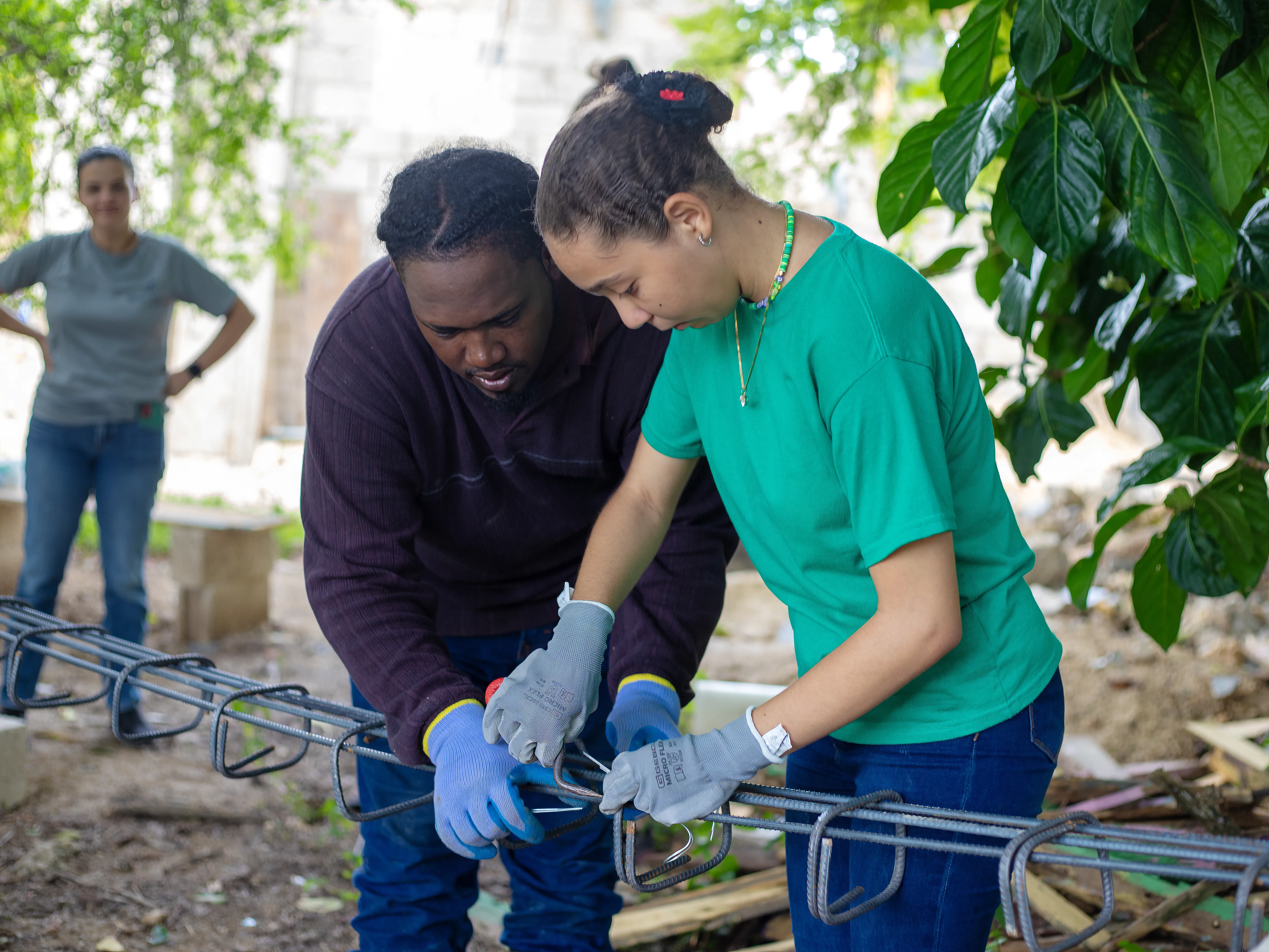
What makes Sonidos del Yaque extraordinary is its grassroots origin. This was a community-led effort built on hydrological understanding and resourcefulness, not a top-down development project. During the visit, observe how community members manage water flow, maintain the generator, and balance human needs with river conservation.
Lodging: Rancho Baiguate, Jarabacoa
Meals: Breakfast, lunch, dinner
Day 8: Tavera Dam, Salto Jimenoa, and Jarabacoa
The day begins at Tavera Dam, one of the country's main hydroelectric facilities. Learn how water flow from the Yaque del Norte River is managed for electricity generation, irrigation, and flood control. Local experts explain the dam's operation, including how water levels are monitored and adjusted to balance community and environmental needs — a clear example of hydrology applied at a large scale.
Continue to Salto Jimenoa, where you'll see another example of hydroelectric power in action at a smaller site with a local generator that converts the waterfall's energy into electricity for nearby communities. After the site visit, swim in the river downstream.
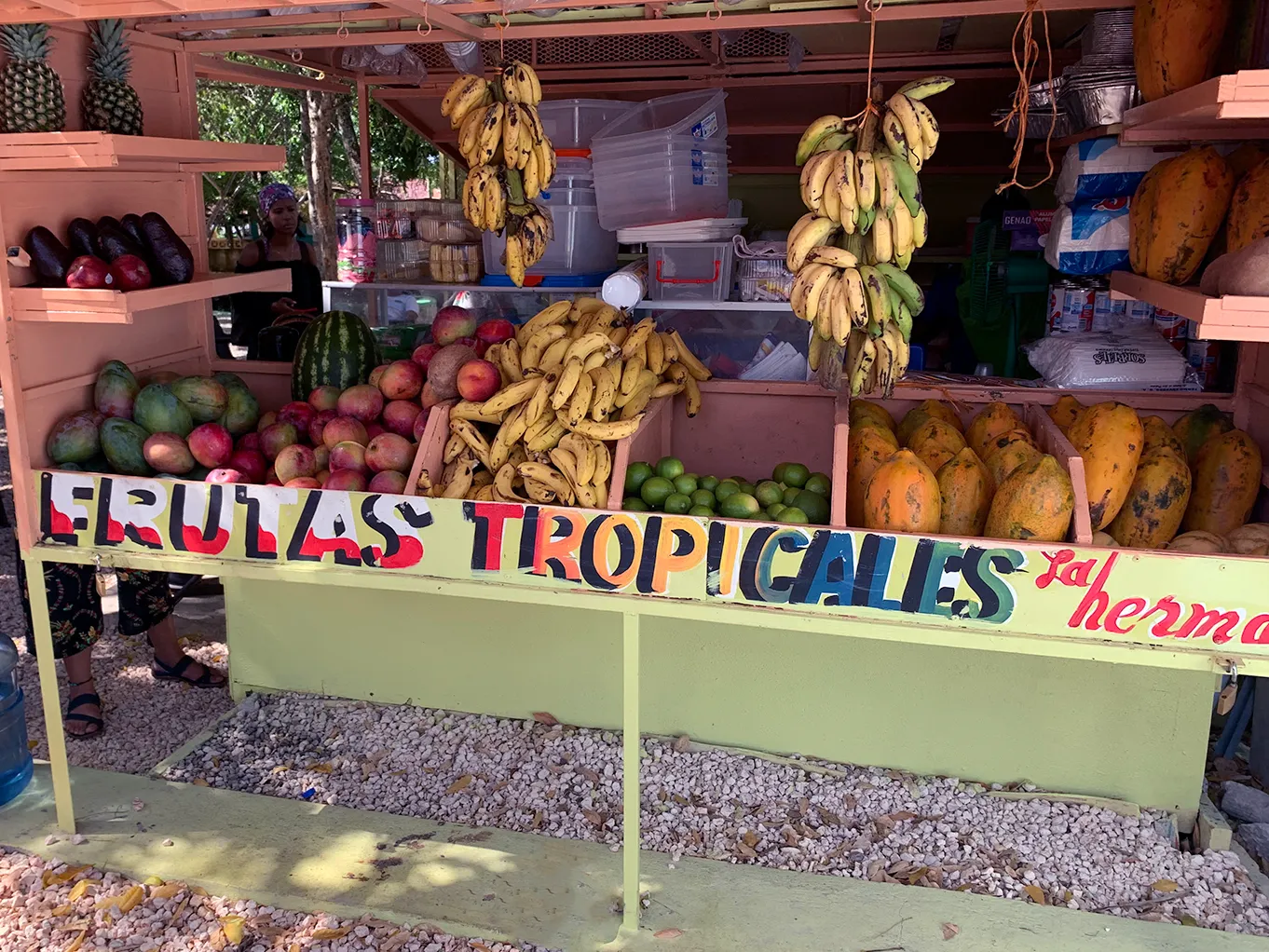
In the afternoon, return to Jarabacoa's town center. Explore local shops and cafés, try a fresh fruit smoothie at La Melaza, or walk through the central plaza.
Lodging: Rancho Baiguate, Jarabacoa
Meals: Breakfast, lunch, dinner
Day 9: Transfer to the Coast and Beach Day
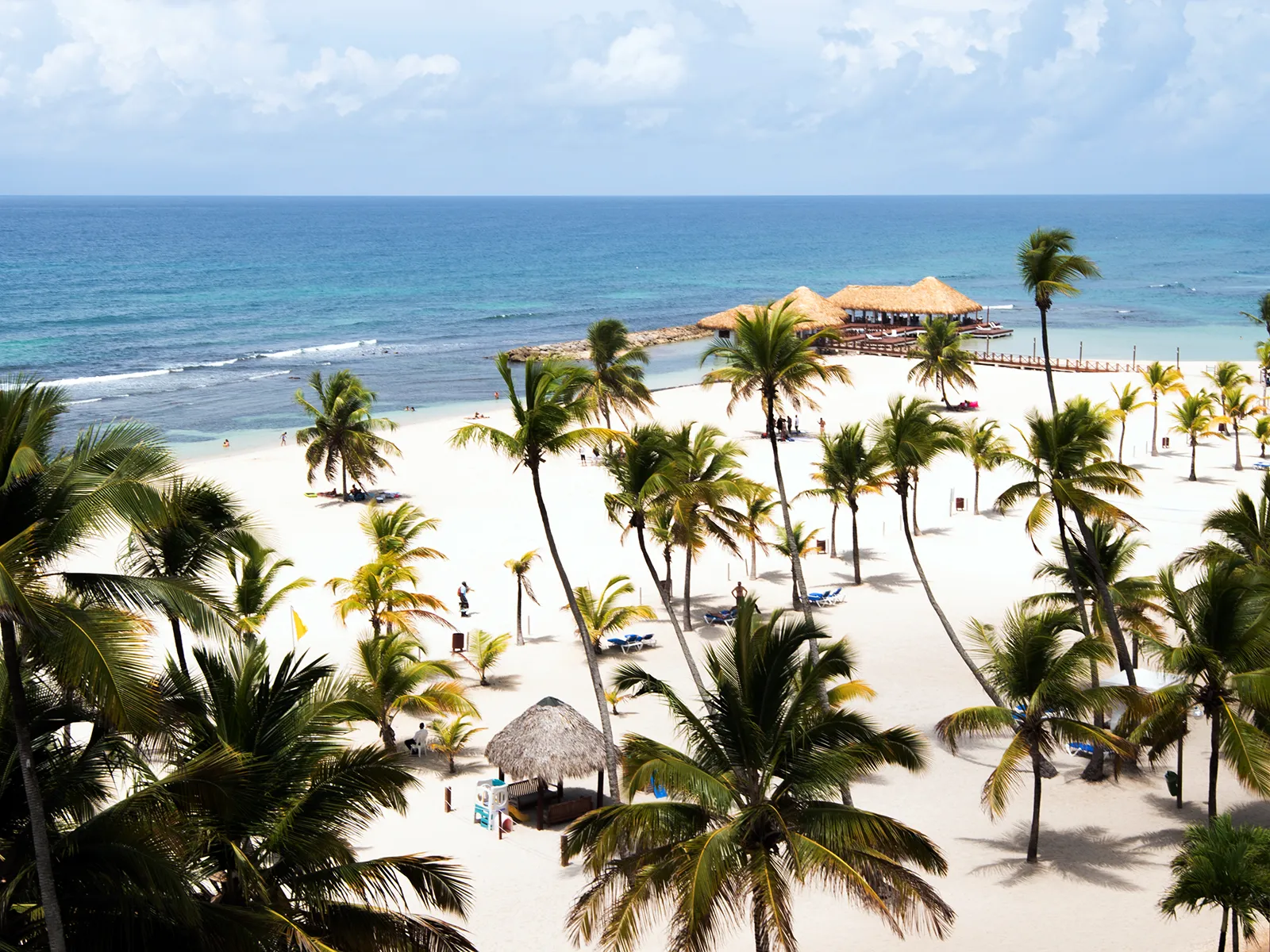
After breakfast, depart Jarabacoa and travel to Juan Dolio, a beach town near Santo Domingo. Enjoy lunch by the water and spend the afternoon swimming or exploring the shoreline. Check into your hotel in Santo Domingo for a relaxed evening.
Lodging: Hodelpa Nicolás de Ovando, Santo Domingo
Meals: Breakfast, lunch, dinner
Day 10: Colonial Zone and Urban Heritage
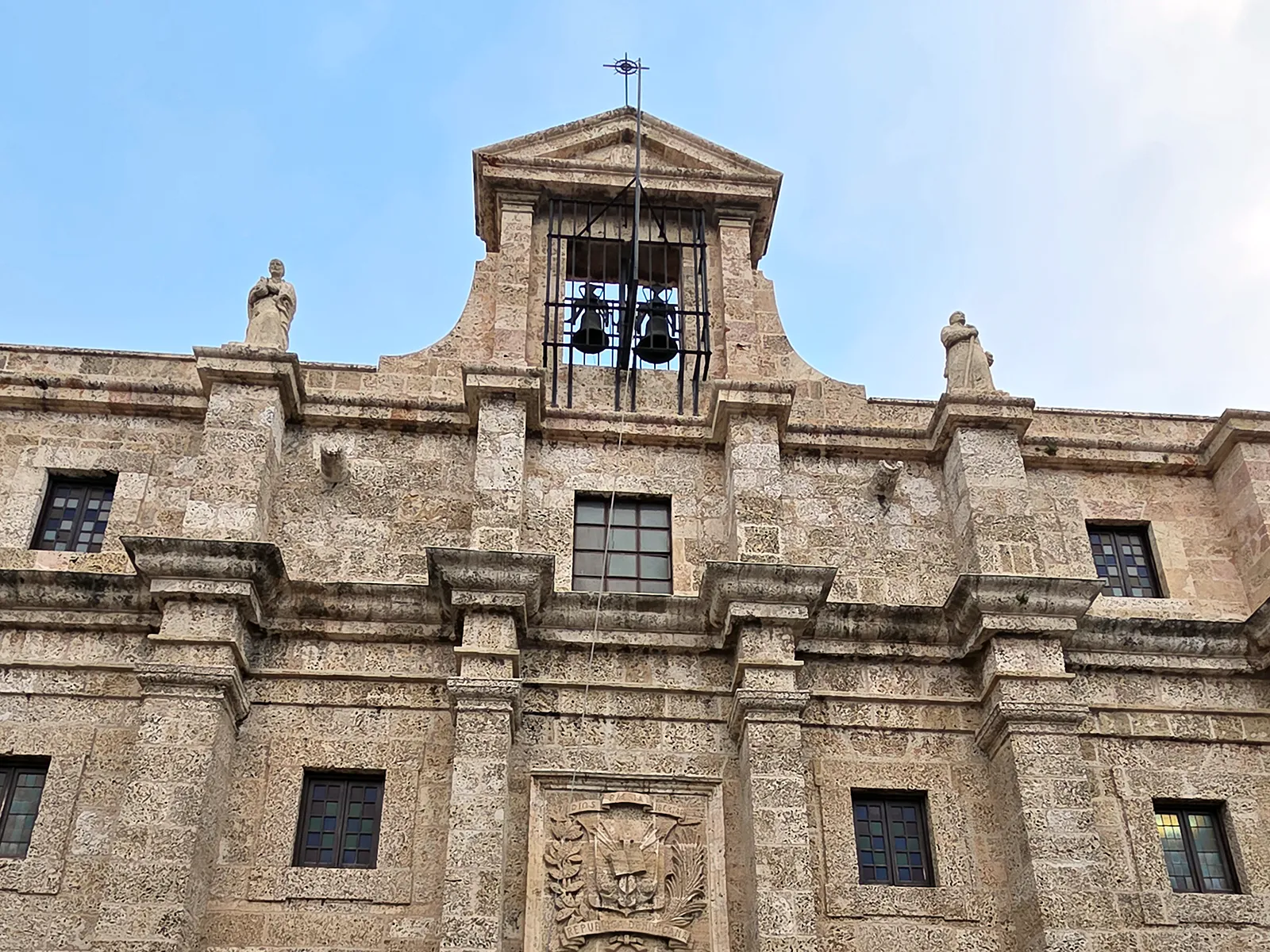
Explore Santo Domingo's Colonial Zone, a UNESCO World Heritage Site and the oldest European settlement in the Americas. During your tour, visit the historic underground sewers that once managed the city's drainage and discuss how water engineering has evolved over centuries. After lunch, shop for souvenirs or visit museums and landmarks before gathering for a farewell dinner in the Colonial Zone.
Lodging: Hodelpa Nicolás de Ovando, Santo Domingo
Meals: Breakfast, lunch, dinner
Day 11: Departure
After breakfast, transfer to Las Américas International Airport for your flight home.
Meals: Breakfast
What happens when you visit Dominican Republic
Customize Your Program
Once you complete our inquiry form and one of our program managers will respond within 24 business hours.
Schedule a Call
Prefer to connect over the phone or video chat? Schedule a call at your convenience.
Related itineraries
Experiences customized to your needs and delivered with precision


Ready to start your journey?
Whether you're planning a student trip, exploring partnerships, or seeking a family adventure, we're here to help you create something extraordinary.
Offbeat is trusted by and members of