STEM Marine Conservation
Coral reef restoration, marine mammal monitoring, and PADI conservation certification with FUNDEMAR on the Dominican Republic's Caribbean coast

Coral Science and Conservation in Bayahibe
Restoring Reefs With FUNDEMAR
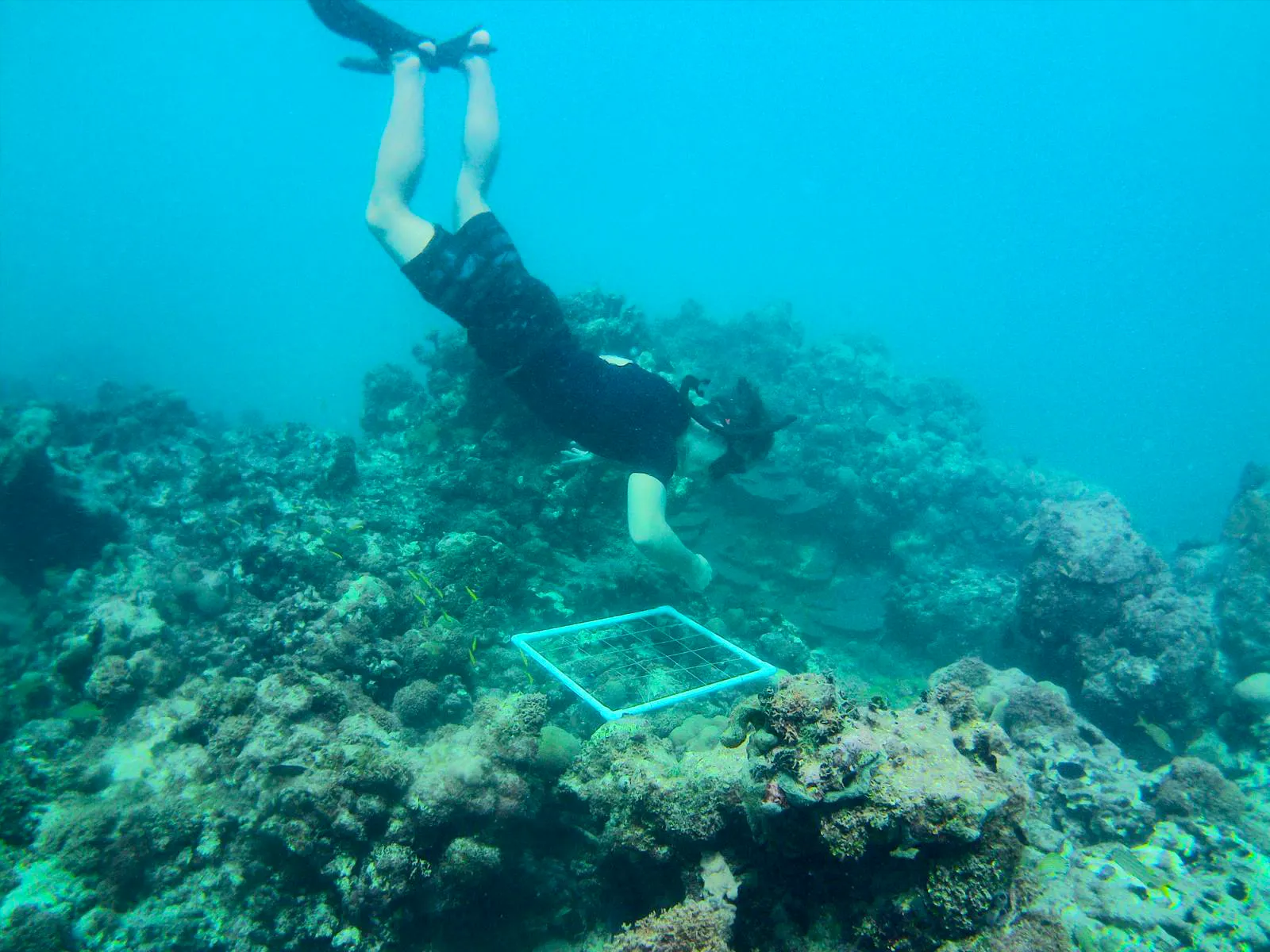
Students work alongside marine scientists at FUNDEMAR (Dominican Foundation for Marine Studies) over five days of structured conservation work in Bayahibe. The program covers coral reef ecology, hands-on restoration techniques, and marine mammal monitoring off the coast of Saona Island. Students build substrates, transplant coral fragments, construct buoys for coral nurseries, conduct parrotfish censuses, and collect behavioral data on manatees and dolphins. Every participant earns a PADI Project Aware certification in Coral Reef Conservation — a credential grounded in the fieldwork they complete during the week.



From Data Collection to Documentary Discussion
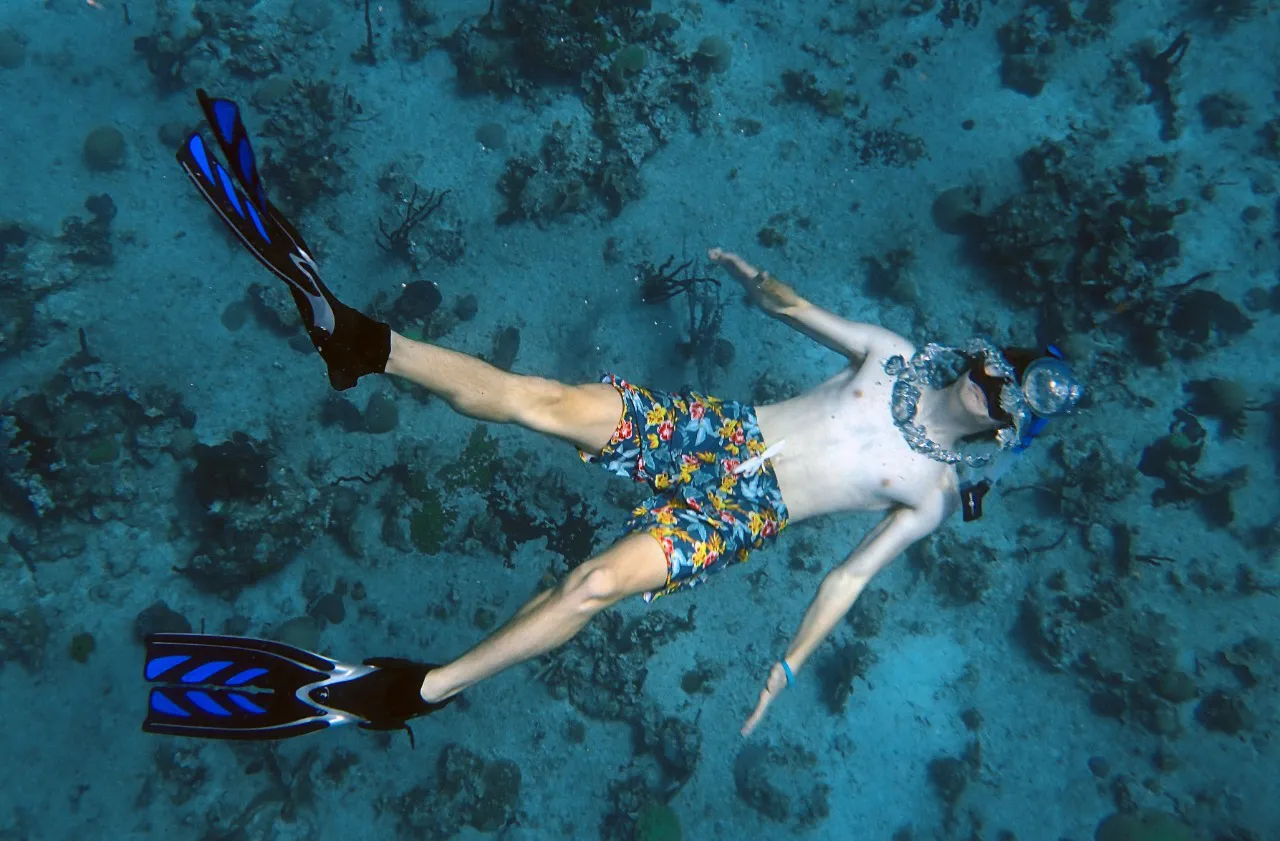
Students apply STEM skills across every activity — learning debris census methodology during beach cleanups, practicing species identification at Magallanes Beach using coral fossils, and snorkeling La Coralina reef to assess ecosystem health. Evening programming reinforces the fieldwork — screenings of Chasing Coral and A Plastic Ocean are followed by group discussions that connect what students saw on screen to what they did that day. The week opens with a night in Santo Domingo's Colonial Zone, a UNESCO World Heritage site, and closes with a catamaran trip to Saona Island's sea turtle sanctuary.
Day-by-day itinerary
Eight days of marine science fieldwork, coral restoration, and PADI certification on the Dominican Republic's Caribbean coast. Every element of this itinerary can be adjusted to fit your program's learning objectives.
Day 1: Arrival in Santo Domingo
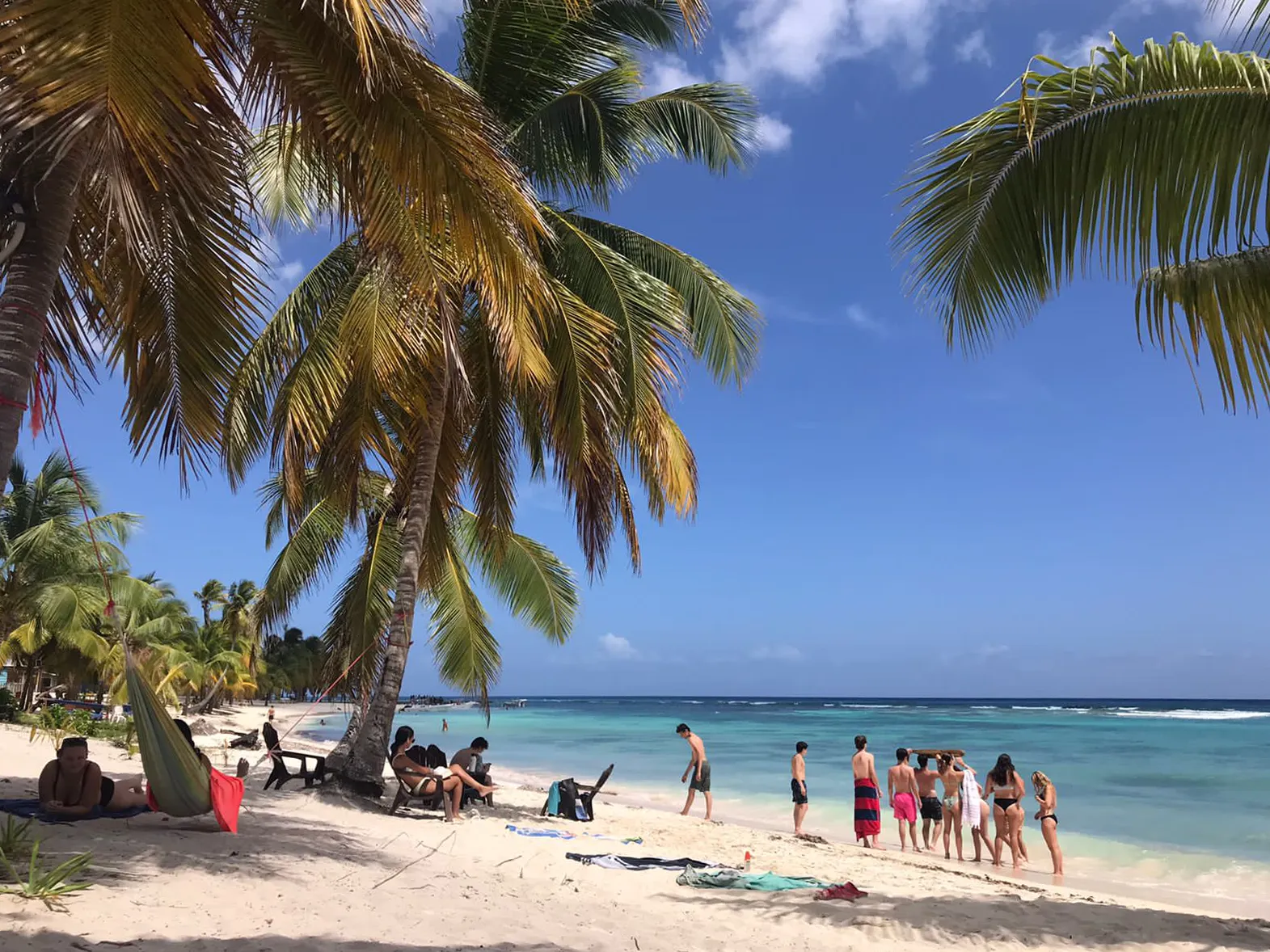
¡Bienvenidos a República Dominicana! Upon arrival in Santo Domingo, check into your hotel and head to the Colonial Zone, a UNESCO World Heritage site. Stroll through cobblestone streets lined with centuries-old architecture, local music, and the aroma of traditional food. The evening features a welcome dinner and dance show, followed by an introduction to the week's activities — your program leaders will outline the focus on marine conservation and set expectations for the week ahead.
Lodging: Hotel, Santo Domingo
Meals: Dinner
Day 2: Travel to Bayahibe and FUNDEMAR Orientation
Depart for Bayahibe, a coastal town on the southeastern coast that serves as your base for the next six nights. After settling in and lunch at a local restaurant, the afternoon is dedicated to an orientation led by FUNDEMAR. You'll receive an introduction to the marine ecosystems of the Dominican Republic and the conservation challenges facing coral reefs and marine mammals in the region.
After the orientation, take a guided walking tour of Bayahibe to get familiar with the town and its coastal surroundings. End the day with a Dominican dance class — merengue and bachata.
Lodging: Hotel, Bayahibe
Meals: Breakfast, lunch, dinner
Day 3: Coral Restoration Techniques
The conservation work begins. The morning starts with a FUNDEMAR presentation on coral reef ecology — the ecosystem services reefs provide, and the threats they face from climate change and human activity. Then move to hands-on coral restoration: constructing coral reef structures and learning how coral nurseries work.
In the afternoon, snorkel at La Coralina reef to practice coral identification and conduct a parrotfish census — both essential for assessing the health of marine ecosystems.
In the evening, watch the documentary Chasing Coral, which covers the global coral bleaching crisis. A group discussion follows, connecting the film to the restoration work you started that morning.
Lodging: Hotel, Bayahibe
Meals: Breakfast, lunch, dinner
Day 4: Marine Mammal Monitoring and Coral Fossil Identification
The morning is spent at sea off the coast of Saona Island, monitoring marine mammals. You'll learn to identify species including manatees and dolphins, collect data on their behavior and habitat, and note environmental threats like boat traffic and pollution. Back on shore, the group discusses the findings and the importance of marine mammal conservation.
In the afternoon, head to Magallanes Beach for a coral fossil identification session. You'll explore ancient corals and learn how their presence provides clues to past marine environments. The day wraps up with a beach break.
Lodging: Hotel, Bayahibe
Meals: Breakfast, lunch, dinner
Day 5: Coral Nursery Work and Buoy Construction
Today focuses on FUNDEMAR's coral nursery program. In the morning, assist with building substrates and transplanting coral fragments — the intricate process of restoring degraded reefs and enhancing marine biodiversity.
In the afternoon, work alongside marine scientists to construct buoys for coral gardens. Large buoys mark protected areas, while smaller ones support coral nurseries by keeping fragments afloat so they can grow efficiently. Build and install both types while learning how these efforts protect coral from human impact.
In the evening, watch A Plastic Ocean, which explores the effects of plastic pollution on the world's oceans. A group discussion follows, connecting the documentary to the conservation work.
Lodging: Hotel, Bayahibe
Meals: Breakfast, lunch, dinner
Day 6: Beach Cleanup, Coral Identification, and Farewell
The morning begins with a beach cleanup focused on the impact of plastic waste on marine ecosystems. You'll learn how to conduct a debris census — cataloging the types of waste you collect and analyzing the long-term effects of plastic pollution on marine life.
After lunch, return to Magallanes Beach for an afternoon of live coral identification, applying the skills you've built throughout the week to identify species and understand their roles within the broader ecosystem.
For your last evening in Bayahibe, gather for a farewell dinner with your group, then unwind with karaoke.
Lodging: Hotel, Bayahibe
Meals: Breakfast, lunch, dinner
Day 7: Saona Island and Sea Turtle Sanctuary
Set sail on a catamaran to Saona Island, where local community members work to protect vulnerable sea turtle populations. Visit the turtle sanctuary to see how conservation is driven at the grassroots level. Spend the rest of the morning on the beach, then enjoy a beachside lunch before heading back to Bayahibe — stopping at the Natural Pools on the way.
Lodging: Hotel, Bayahibe
Meals: Breakfast, lunch, dinner
Day 8: Reflection and Departure
Gather for a final group debrief to reflect on the week and discuss how the experience has shaped your understanding of marine conservation. After breakfast, enjoy a final walk through Bayahibe before packing up for the return to Santo Domingo and your departure flight.
What happens when you visit Dominican Republic
Customize Your Program
Once you complete our inquiry form and one of our program managers will respond within 24 business hours.
Schedule a Call
Prefer to connect over the phone or video chat? Schedule a call at your convenience.
Related itineraries
Experiences customized to your needs and delivered with precision

Ready to start your journey?
Whether you're planning a student trip, exploring partnerships, or seeking a family adventure, we're here to help you create something extraordinary.
Offbeat is trusted by and members of