When I was 14, my father—who was in the U.S. Navy—moved us to Pensacola, Florida. It was our final move as a military family. Since my college graduation and subsequent out-of-state relocations, I’ve returned numerous times to visit family.
But only recently have I played tourist in my hometown.
Although St. Augustine has marketed itself as America’s oldest city, Pensacola’s promoters claim it is six years older. Regardless of bragging rights,
the city has a rich roux of history.
Rich and Varied History in a Vibrant Downtown
It was founded in 1559 by Don Tristan de Luna, who established the first European settlement of 1,400 colonists. They were greeted by the Panzacola
Indians. Known today as the “City of Five Flags,” Pensacola has been under the rule of Spain, France, England, the Confederacy and the United States.
In February of 2009, the city celebrated its 450th anniversary with visiting royalty: King Juan Carlos I and Queen Sofia of Spain. They must have felt at
home in the attractive, compact and historic downtown—one of the most intact in Florida----where the Spanish street names have a musical lilt:
Tarragona, Cervantes, Zaragoza. Full of live oak trees, Seville Square is a shady spot for contemplation, and its twin, Plaza Ferdinand VII, is
where Andrew Jackson accepted the transfer of Florida from Spain to the U.S. in 1821.
The area has been restored with love and attention to detail, from street lights to storefronts. And there’s plenty to see as you stroll.
The Quayside Art Gallery is one of the largest member-owned galleries in the country, with more than 200 artists in the former Germania Steam Fire
Engine and House Company, which dates back to 1873.
Historic Pensacola Village includes 11 properties open to the public; guides dressed in period
costume from the University of West Florida provide informative tours for a nominal fee. Highlights include the former City Hall, the T.T. Wentworth,
Jr., Florida State Museum, a Spanish revival style building that houses an eccentric collection of artifacts; Old Christ Church, the state’s old church
(1763); and the 1805 Julee Cottage, owned by a free black woman. Together, they depict the fascinating multiculturalism of this Panhandle city.
All are listed on the National Register of Historic Places, along with the rest of the district which extends to Pensacola Bay.
Maritime Bounty
Pensacola is a seaport town and both residents and visitors love the water’s bounty. When not dining out, residents and visitors alike flock to Joe Patti’s
Seafood Company, opened to the public in 1931 by Italian immigrant Joe Patti. I’ve come here for years for fresh-from-the-boat fish, shrimp, oysters and
crab at wholesale prices and over the years, it’s expanded to sell prepared food, specialty items, bread and wine.
Coastal cuisine is the answer the waiter at Jacksons’s Steakhouse gives me in response to my question, “how do you describe the menu?” At lunch,
I order the cucumber breeze, a vodka cocktail with fresh lime juice and cuke slices as a floating garnish. The lump crab meat West Indies salad studded
with kalamata olives, pine nuts, capers and olive oil and served in a fat, ripe red tomato is a delicious regional specialty.
Chef Frank Taylor runs a funky tapas restaurant, Global Grill, which showcases local ingredients, local art and local jazz. I enjoy the house-cured
duck prosciutto wrapped apple matchsticks goosed with mint and pomegranate seeds, and the smoky, award-winning (Florida) lobster roux-based turtle soup
with veal, pork and farm-raised alligator finished with a poached egg and a potato-crusted triggerfish served with grape tomatoes in a lemon caper
butter sauce. The gooey chocolate cake with vanilla ice cream is a decadent finish.
After dinner, I walk down to Palafox Pier where I chatted with evening fishermen and women. A cheeky blue heron lands on the boardwalk, looking for fishy
handouts. I overnighted at The New World Inn, a cozy boutique hotel, smack in the center of downtown within easy striking distance of all attractions.
Vintage Aircraft
History doesn’t begin and end at downtown. It’s being preserved at the National Museum of Naval Aviation at NAS Pensacola. Second only to the Smithsonian
in size and scope, there are more than 150 vintage aircraft and 4,000 objects on display. I particularly enjoyed “riding” with the Blue Angels in the
virtual reality motion-based flight simulator, and touring the “Home Front USA” exhibit, which re-creates life in a small town during World War II.
The museum’s volunteers—many who are retired military men and women—add a personal touch. Don’t miss lunch at the Cubi Bar Café, where homemade bread,
chili and sandwiches are served in an atmosphere that recalls an officer’s club in the Philippines, complete with period memorabilia.
Resort on a White Sand Beach
Of course, Pensacola boasts some of the world’s top ranked and whitest beaches. Portofino Island Resort & Spa is situated along a pristine eight-mile
stretch of Gulf Shores National Seashore. Each of the three towers offers sweeping views of the ocean, the bay and the surrounding area, and
each sumptuously appointed two-bedroom, two-bathroom suite has a generous balcony.
At the spa, Katie gives me an excellent deep tissue massage
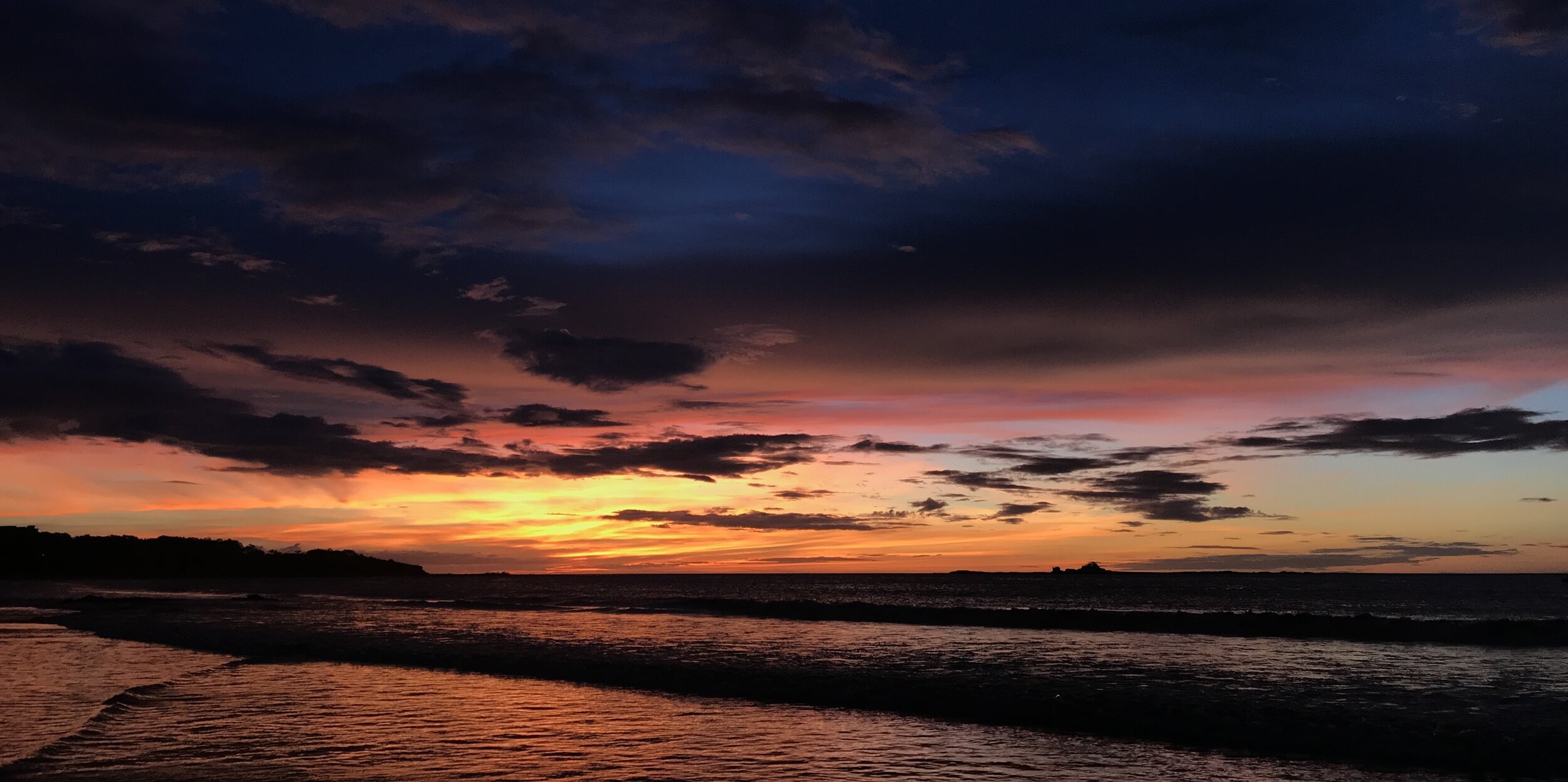
that thoroughly loosens my tight muscles, and then I uncork a bottle of wine and enjoy a mango-hued sunset before heading down for dinner at the
resort’s excellent Terracotta restaurant. It’s a Bacchanalian tasting menu from Chef Robert Theriot that includes beet salad and eggplant couscous;
jumbo lump crab cakes with Creole remoulade; black grouper with housemade pumpkin tortellini and chanterelles; roaring 40’s bleu cheese tortellini
with cipollini onions; Guinness braised oxtail with chive gnocchi.
Activities on Land and Ocean
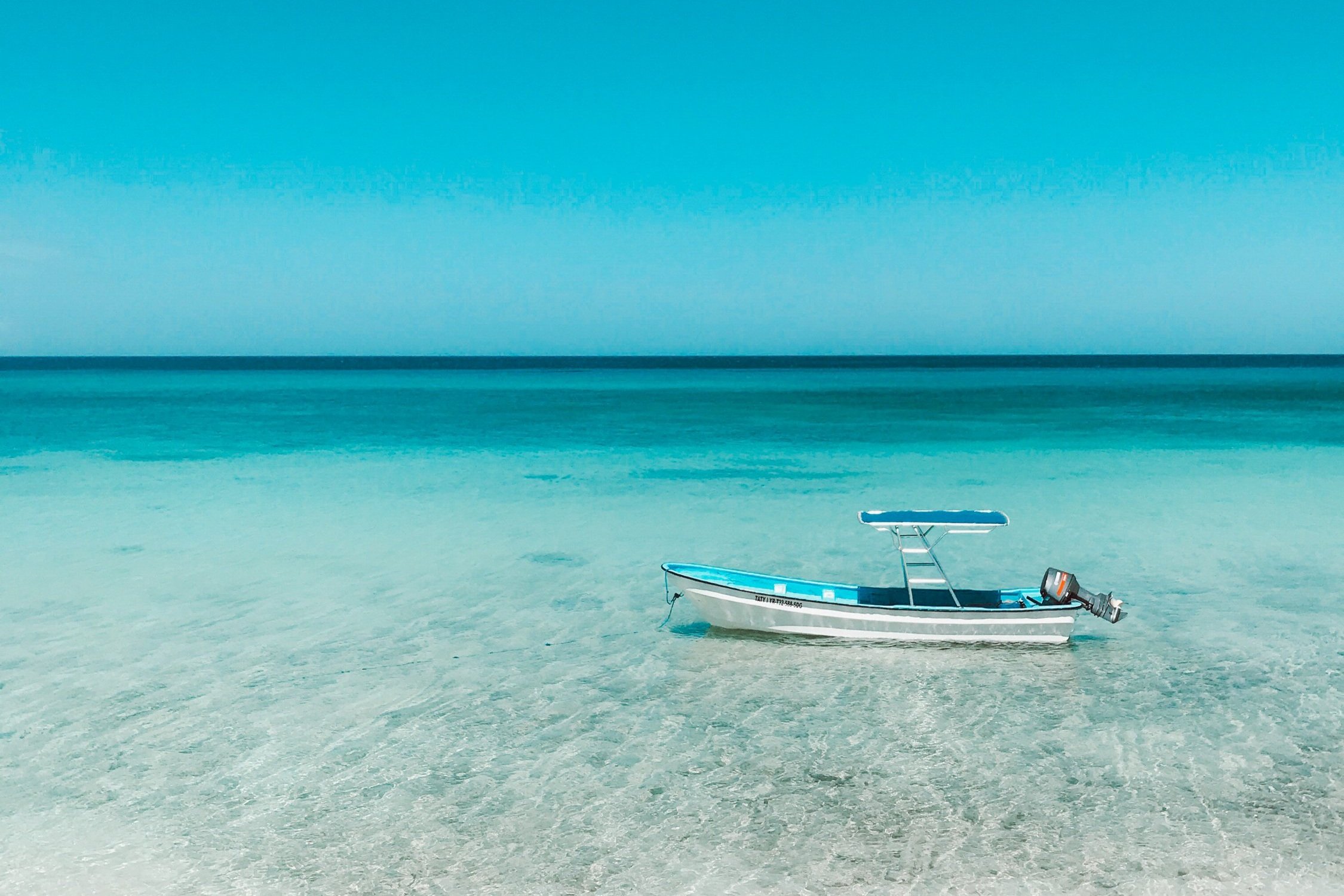
The next morning, I collect sand dollars on my morning walk before boarding Portofino’s hour-long dolphin cruise. We head out eight miles to the Pass,
our guide pointing out native landscape and local wildlife, including cavorting Atlantic bottlenose dolphins. I also visit Fort Pickens, the largest
of four forts built to defend Pensacola Bay and its navy yard. The fort, which dates to 1834, was in use until the 1940s. I wander the grounds and
explore the main fortification in relative solitude.
I’m proud to say that from red brick sidewalks to quartz sand, history echoes throughout my hometown, Pensacola.